
10 Best Small Business to Start in Malaysia in 2026


So you want to start a business in Malaysia.
Good news! You don't need a massive budget or a groundbreaking idea to get started.
Here are 10 best small business to start in Malaysia in 2026:
1. E-Commerce Reselling (Shopee / TikTok Shop)
You don't need a factory. You don't need a warehouse. You just need a good eye for products people want and a phone to list them.
Reselling on Shopee or TikTok Shop works because the platforms already have the traffic. Your job is to find products — from wholesale suppliers, clearance sales, or even other online platforms — and list them at a margin.
Popular categories in Malaysia right now include phone accessories, household items, skincare, and kids' products.
What you need: A smartphone, a supplier contact or two, and enough capital to buy your first batch of stock. Many resellers start with under RM500.
Reality check: The market is competitive. Your edge comes from product selection, photos, pricing strategy, and customer service response time. Don't expect overnight success — but do expect a steep and useful learning curve.
Rough monthly income: RM1,000 – RM8,000 depending on niche and volume.
2. Food Truck / Hawker Stall
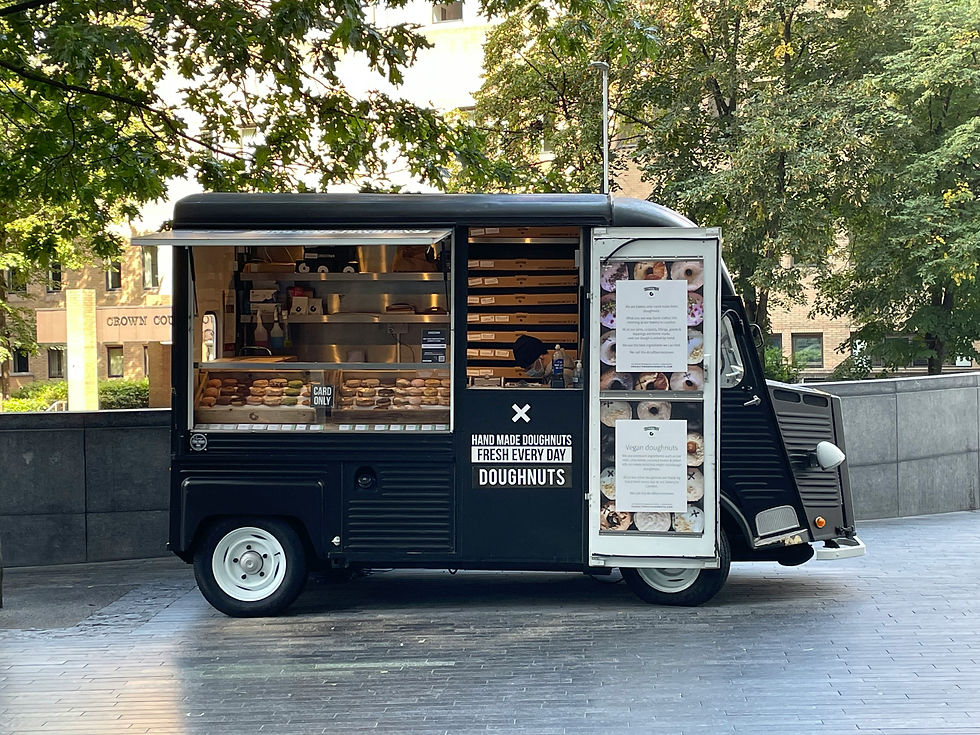
Malaysians love food. And the demand for good, affordable food is about as evergreen as it gets.
A food truck or hawker stall lets you enter the F&B industry without the crushing overhead of a full restaurant. You pick your menu, find your spot, and build a loyal following one plate at a time. The business model is simple. The execution is the hard part.
What you actually need: Local council permits, food handling certification, a reliable vehicle or stall setup, and most importantly, a focused menu. Don't try to sell everything.
Pick two or three things and do them better than anyone nearby.
Reality check: The hours are long and the work is physical. Margins can be tight if you don't manage your food costs carefully. That said, a well-run stall in a good location can generate very consistent daily revenue.
Rough monthly income: RM5,000 – RM15,000.
3. Digital Marketing Services
Every Malaysian SME knows they need to be online. Most of them have no idea how to get there.
That's your opportunity.
If you understand how Facebook Ads work, how to grow an Instagram following, or how to write copy that converts — businesses will pay you for that knowledge.
You can start as a one-person operation, handling social media management or paid ads for a few local clients, and build from there.
What you need: A laptop, a few software subscriptions, and a portfolio. If you don't have clients yet, offer your services at a discount to one or two local businesses in exchange for testimonials.
Reality check: Clients will expect results. You need to stay updated because the platforms change constantly. But if you deliver, referrals come naturally — and retainer arrangements mean predictable monthly income.
Rough monthly income: RM5,000 – RM25,000+
You've got your business up and running. Congrats! Not sure if you should register as a sole prop or Sdn Bhd now? Take our Should you register your company as a Sole Prop or Sdn Bhd? quiz here.
4. Tuition / Education Services
Malaysian parents take their children's education very seriously.
Demand for tuition spans every subject and every age group, from primary school all the way to university entrance exams.
If you have strong knowledge in Mathematics, Science, English, or Bahasa Malaysia, you have a sellable skill. Online delivery through Zoom or Google Meet means you're not limited to students in your neighborhood.
What you need: Subject expertise, a structured lesson plan, and a way to market yourself — a Facebook page, a WhatsApp group, or word of mouth through school communities.
Reality check: Building a full roster of students takes time. Seasonality is real — demand spikes before exams and dips during school holidays. Price yourself correctly from the start; undercharging makes it hard to raise rates later.
Rough monthly income: RM2,000 – RM10,000 depending on number of students and format (group vs one-on-one).
5. Healthy Meal Delivery
Urban Malaysians are busier than ever and increasingly health-conscious. Many of them would gladly pay someone to solve the "what do I eat today" problem — as long as the food is clean, tasty, and delivered on time.
A healthy meal delivery business can start from your home kitchen. Focus on a specific niche: calorie-controlled meals, high-protein meal prep for gym-goers, or office lunch packages. A niche makes you easier to find and easier to recommend.
What you need: A clean kitchen setup, food-safe packaging, a delivery method, and compliance with food handling regulations. Start with a small, manageable menu.
Reality check: Food quality and delivery consistency are non-negotiable. One bad experience travels fast on WhatsApp. Ingredient costs need constant monitoring to protect your margins.
Rough monthly income: RM4,000 – RM12,000.
6. Event Planning
Weddings. Corporate dinners. Product launches. Annual company dinners. Malaysians love a well-organized event — and they'll pay good money to make sure theirs goes smoothly.
Event planning is a relationship business. Your network of reliable vendors is your actual product — caterers, photographers, decorators, AV teams. The better your network, the better the experience you can deliver.
What you need: Strong organizational skills, a vendor contact list, and the ability to stay calm when things go sideways (and they will). Start by assisting at events or planning smaller functions to build experience and testimonials.
Reality check: The income is lumpy — feast during wedding season, quiet during off-peak months. Managing client expectations is as important as managing the event itself.
Rough monthly income: RM4,000 – RM15,000.
7. Boutique Coffee Shop
The café culture in Malaysia isn't slowing down. In fact, it's getting more specific — customers don't just want coffee, they want an experience. A thoughtfully designed space, a quality brew, and a reason to stay.
You don't need a massive space or an elaborate menu to start. Many successful cafés in Malaysia began small. Start with a corner lot, five signature drinks, and genuinely good hospitality. Build your regulars first and everything else will follow.
What you need: A solid location, basic barista skills or a trained staff member, permits from the local council, and a brand identity that gives people a reason to choose you over the café next door.
Reality check: F&B is unforgiving. Rent, ingredients, and staff costs can eat your margins quickly. Go in with a detailed financial plan and give yourself a realistic runway.
Rough monthly income: RM8,000 – RM20,000.
8. Laundry Pickup Service

This one doesn't get enough credit.
Urban Malaysians, especially working professionals, are time-poor. Many live in apartments without space for a washing machine. A laundry pickup service solves a genuine, recurring problem.
The model is simple: collect dirty laundry, send it to a partner laundromat, return it clean and folded. You're essentially running the logistics layer on top of an existing service.
What you need: A vehicle, a reliable laundromat partner, and a simple booking system (WhatsApp works fine to start). Build a base of regular customers in one residential area before expanding.
Reality check: Margins are modest per transaction, so volume matters. Customer retention is everything — once someone trusts you with their laundry, they rarely switch.
Rough monthly income: RM3,000 – RM10,000.
9. Virtual Assistant
Entrepreneurs and small business owners are drowning in admin. The mails, scheduling, data entry, social media posting, and customer follow-ups never end. A virtual assistant takes that off their plate.
You can work remotely, set your own hours, and serve multiple clients at once. If you're organised, responsive, and reliable, this business can generate consistent income with very low startup costs.
What you need: A laptop, reliable internet, and strong communication skills. Specialise if you can — a VA who understands e-commerce operations or social media management can charge significantly more than a generalist.
Reality check: The market for VAs is competitive globally. Your edge as a Malaysian VA is timezone alignment with regional clients and competitive rates. Build your reputation carefully. Referrals are your best marketing.
Rough monthly income: RM2,000 – RM6,000.
10. Personalized Hamper Business

Malaysia has no shortage of occasions that call for a thoughtful gift — and a beautifully curated hamper fits the bill every time.
The personalized hamper business works because it's about more than just about the products inside. It's about presentation, curation, and the feeling the recipient gets when they open it. That's where small businesses beat the generic supermarket hamper every time.
What you need: A reliable network of product suppliers, attractive packaging, and a strong social media presence. Start by taking custom orders and expand from there.
Reality check: Revenue is seasonal by nature. Use the quieter months to build your supplier relationships, refine your packaging, and grow your audience — so when the festive season hits, you're ready.
Rough monthly income: RM2,000 – RM8,000 (significantly higher during peak festive periods).
Now you know the best small business to start in Malaysia, but there's more
Picking the right business idea is step one. But once the money starts coming in, the real work begins — and that means getting your compliance in order.
Things like SSM registration, your tax reference number, EPF & SOCSO if you hire staff aren't optional. And getting them wrong can cost you far more than getting them right.
At Douglas Loh & Associates, we help new business owners set up properly from day one — so you're not scrambling to fix paperwork problems two years down the road when LHDN comes knocking.
Ready to start on the right foot? Book a free consultancy call with us here:
Or if you prefer WhatsApp...



Comments